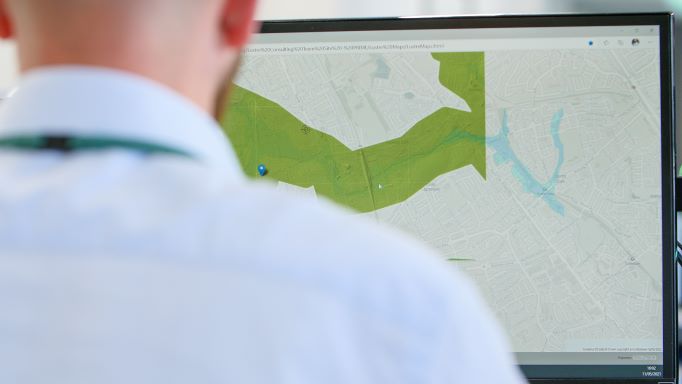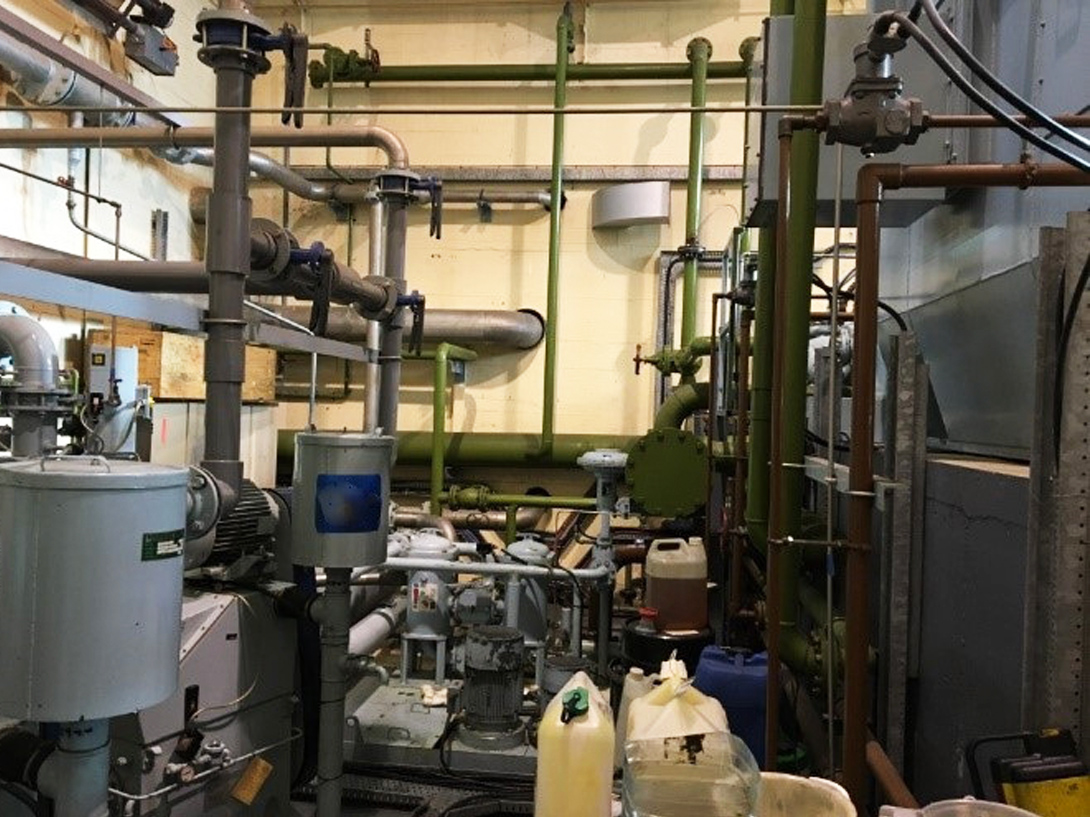
An equipment testing facility required environmental services to support an application for an Environmental Permit for the discharge of cooling water from their test facility building into a nearby river. Following the completion of a Conservation Risk Assessment, it was determined that a Bespoke Environmental Permit Application would need to be submitted as the river is classified as a Local Wildlife Site, with brown trout identified downstream of the proposed discharge.
As part of the Bespoke Permit Application a Qualitative Environmental Risk Assessment was undertaken in order to assess the risks posed by the discharge waters to surface waters within the river and ecological receptors within the river’s Local Wildlife site. This assessment typically identified low or negligible risks to the identified receptors.
Following discussions with the Environment Agency, it was determined that water samples from the inlet waters and proposed discharge waters should be collected and submitted for chemical analysis. These water samples could then be assessed to compare with Environmental Quality Standards for Freshwater using the Environment Agency’s H1 screening tool. This screening process identifies all significant pollutants as well as those pollutants where further assessment maybe required as the screening has shown there is a risk to the environment.
Lustre Consulting visited the testing facility to inspect the discharge points and collected water samples for analysis. The screening assessment demonstrated that the majority of potential hazardous pollutants were recorded at concentrations below the relevant Environmental Quality Standard (EQS), with a significant number recorded at concentrations of less than 10% of the EQS. However, several determinants, including a number of PAHs and heavy metals required assessment, including determining their process contribution, following dilution within the river. Following this assessment, however, these were also assessed as posing a low risk to the river and the sensitive ecological receptors.
This detailed assessment met the Environment Agency’s requirements for a Bespoke Permit Application and enabled the test facility to successfully apply for their Environmental Permit. During this project, Lustre Consulting supported with preparing an Environmental Management Plan for the proposed discharge and prepared supporting documentation for the permit application in line with Environment Agency guidance.
What is a Noise Assessment? A Noise Assessment will determine whether any prevailing noise sources could be affecting your site or whether any adverse noise sources could be introduced, and if those noise sources could have an adverse impact on future site users, or off-site noise sensitive receptors. If the Noise Assessment finds that the […]
What is a Noise...
What is a Flood Risk Assessment? A Flood Risk Assessment (FRA) will determine the flood risk to a site from multiple sources. It is usual for a FRA to assess the flood risk from rivers, sea, surface water, sewers or groundwater. The level of risk is in part determined by future site users and/or sensitive […]
What is a Flood Risk...
What is an Air Quality Mitigation Statement? An Air Quality Mitigation Statement qualitatively assesses the air quality impact to future site users and/or local receptors and whether any mitigation measures could be required. Why is an Air Quality Mitigation Statement needed for this site? The Institute of Air Quality Management (IAQM) and Environmental Protection UK […]
What is an Air...
What is a Phase 1 Desk Study? A Phase 1 Desk will determine if contamination could be present at your site, and importantly, if that contamination poses a risk to future site users or the environment. Why is a Phase 1 Desk Study needed for this site? If the Desk Study finds that the level […]
What is a Phase 1...