Due to the high demand for this service we are not undertaking any new Air Quality Assessments at present.
 Gain Valuable Insights
Technically Robust
Regulator Approved
Gain Valuable Insights
Technically Robust
Regulator Approved Unforeseen design and layout changes
Unnecessary regulatory complications
Time delay and disruptions
Unviable development location
Loss of value or profit from the site
Added cost, time and frustration to you and your design team
Air Quality Consultants Committed to Getting Your Site Approved
and Built
Your specialist Air Quality Consultant is part of a dedicated team of Chartered professionals who have been successfully gaining regulatory approval for clients all over the UK, ensuring that their sites are safe and compliant places to live and work.
Our Air Quality Assessments are expertly prepared by experienced consultants who are committed to providing you with technically robust reports that are tailored to meet your plans for the site.
 Reduce your risk, by gaining valuable insights
Technically robust report, written to highest standards
98% sign off success rate, satisfied regulators
Reduce your risk, by gaining valuable insights
Technically robust report, written to highest standards
98% sign off success rate, satisfied regulators Our Consultants can review your site and guide you through the complex process of undertaking an Air Quality Assessment, so you can get your site approved and built.
They are ready to get started.
Answer a few questions, so together we can come up with a plan that fits your timescales and budget.
We work through the complex process of assessing and understanding the air quality impacts of the site.
Written with a regulator in mind to gain approval, so you can take action to ensure a safe and compliant site.
An Air Quality Assessment can be used by the local planning authority to determine how much a proposed development will have a negative impact on the air quality to the local area.
This is done by assessing the expected emissions in relation to the number of homes proposed, impact of construction activities and impact from cars and other associated vehicle movements.
An Air Quality Assessment may also be required if the outside air quality could negatively impact the air quality inside a building that will be occupied by future residents
This is usually required where a development is close a source of emissions, such as a busy road, in a city centre or within a designated Air Quality Management Area (AQMA).

An air quality assessment is usually expected if the impact from a new development, increase in use of an existing property, or change of use is likely to be significant.
This may include increases in traffic movements, or the introduction of a new emission that may impact on the local air quality, such as a biomass boiler that may be within an Air Quality Management Area (AQMA).
Without an assessment of air quality sources and their related impact to identified receptors, it would be impossible to propose effective mitigation measures. Therefore, the demand by local planning authorities for air quality assessments has increased significantly, particularly in support of planning applications for new developments or change of use proposals, where there are already sensitive receptors nearby or the site is within an AQMA.
The requirement for Air Quality Assessments are further defined in the National Planning Policy Framework (NPPF) which states that ‘Planning policies should sustain compliance with and contribute towards EU limit values or national objectives for pollutants, taking into account the presence of Air Quality Management Areas and the cumulative impacts on air quality from individual sites in local areas. Planning decisions should ensure that any new development in Air Quality Management Areas is consistent with the local air quality action plan’.
Therefore, an Air Quality Assessment should be considered where:
The need for the assessment will depend on the location and sensitivity of the proposed source, local planning authority requirements, policies and action plans, including guidance by Environmental Protection UK (EPUK).
Some important points to consider when commissioning an air quality assessment:
To enable us to produce an accurate assessment using ADMS-Roads where traffic impact is a dominant source, we will require traffic data (AADTs) and other information from a Transport Assessment. We work closely with companies who carry out Transportation Services and would be able to refer you or manage a Transport Assessment on your behalf if required.
The local Environmental Health Officer and Highways should be contacted to help ascertain the scope of the air quality assessment. This may also affect the need and scope for additional data to support the assessment such as the location of AADTs within the area of a new development.
To meet your requirements and ensure you remain compliant, Lustre Consulting have associate air quality assessors to offer a comprehensive air quality assessment service to our clients, complementing our other environmental planning support services.
We can provide an accurate assessment of your proposals in accordance with all relevant guidance and standards recommended by Environmental Protection UK and published by DEFRA and Environment Agency.
Our Air Quality Assessment services focus on planning support including:
Mitigation Measures
Any adverse impact on local air quality due to the construction and operational phases of the development will require mitigation. As such, the assessment will provide best practice measures that may be used to minimise the impacts of poor air quality.
Air Quality Neutral Assessment
An Air Quality Neutral Assessment chapter may be required for proposed developments, especially in the greater London area. As defined under Policy SI 1 of the London Plan and detailed within the Mayor of London’s Sustainable Design and Control Supplementary Planning Guidance (SPG).
Biomas or CHP (Combined Heat and Power)
If a CHP or biomass boiler is proposed this will also require additional assessment as part of the Air Quality Report.
Damage Cost Calculation
This is an estimate of the costs to society due to impact of increases in emissions associated with the proposed development, the basis of which is set by the government.
The value can then be applied as an indicator of the level of offsetting required (i.e. on-site mitigation measures), or as a financial obligation to the local planning authority by the developer which could then be used to go towards a broader scheme to reduce reliance on car use (i.e. a local bus service or air quality monitoring stations).
These are some frequently asked questions when commissioning an Air Quality Assessment:
Do I need an Air Quality Assessment?
If you are in doubt, you need to get pre-application advice from the LPA as this will depend on the location of the site, the magnitude of the development and potentially the number of vehicle movements your development could generate. Also, if your site is located within or close to an Air Quality Management Area, it is likely that you will be expected to provide an Air Quality Assessment or at the very least an Air Quality Emissions Statement (scaled down version).
What happens if I have an Air Quality problem?
If our assessment identifies and Air Quality issue, we will assess the impact they may have on indoor and outdoor spaces. Or the impact on the wider area if it is a major development due to traffic generation. Our reports include recommendations to provide mitigation measures to help reduce the air quality impacts to an acceptable level. These could be combined with other recommendations in our other reports, such as our Noise Assessments where similar measures may be required to protect future residents using properties.
How long will it take to prepare an Air Quality Assessment?
For delivery of our air quality assessment report we will usually require two to three weeks once we are in receipt of all information needed to complete the assessment. To undertake an assessment and for you to receive a report, we will require finalised development plans, details on the number of units and parking spaces. Depending on the type of assessment we may also require finalised traffic data from your transport consultant.
How can I be sure I need an Air Quality Assessment Report?
If you are unsure as to whether you require an Air Quality Assessment Report, please give us a call, so together we can discuss your requirements. Alternatively, please send an email to info@lustreconsulting.com and provide us with the site location and description of the proposed development.
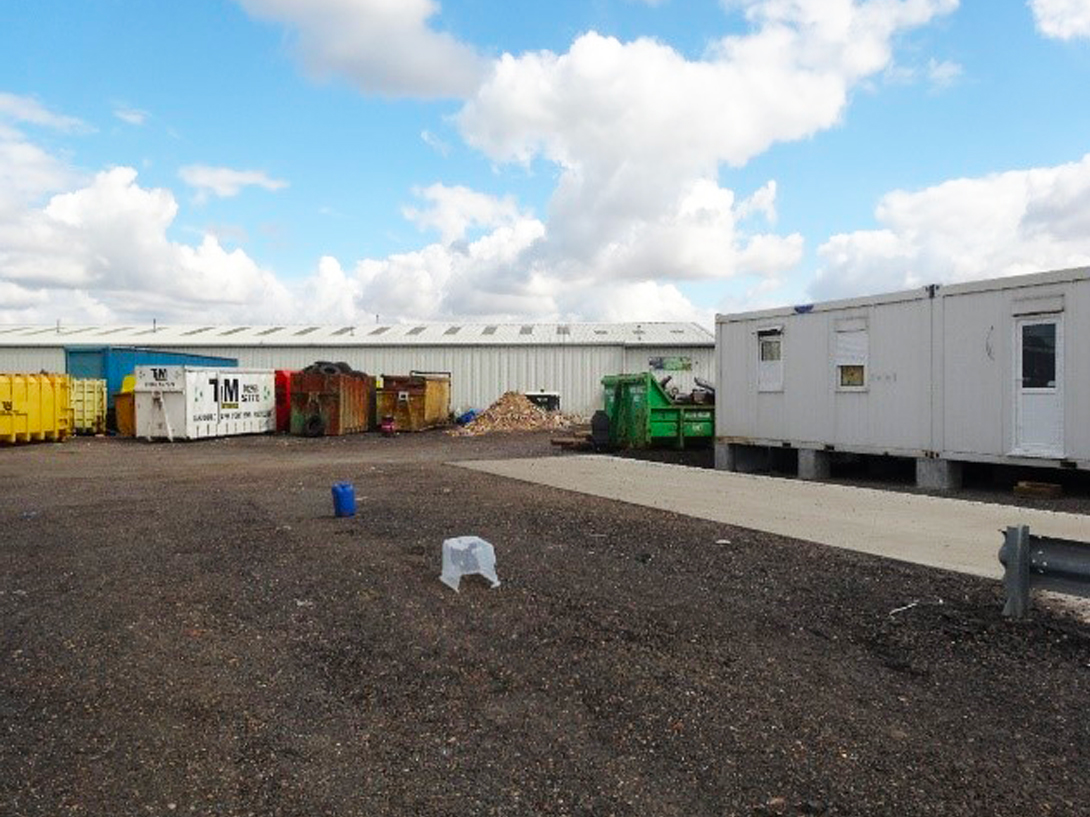
A Commercial and Industrial Waste Transfer Station required environmental services to support an application for a bespoke Environmental Permit for a commercial and industrial waste transfer station to accept 75,000 tonnes per annum of commercial and industrial waste including 5,000 tonnes of asbestos bearing waste. Lustre Consulting were commissioned to produce an application stage Site Condition […]
A Commercial and Industrial Waste Transfer Station required...
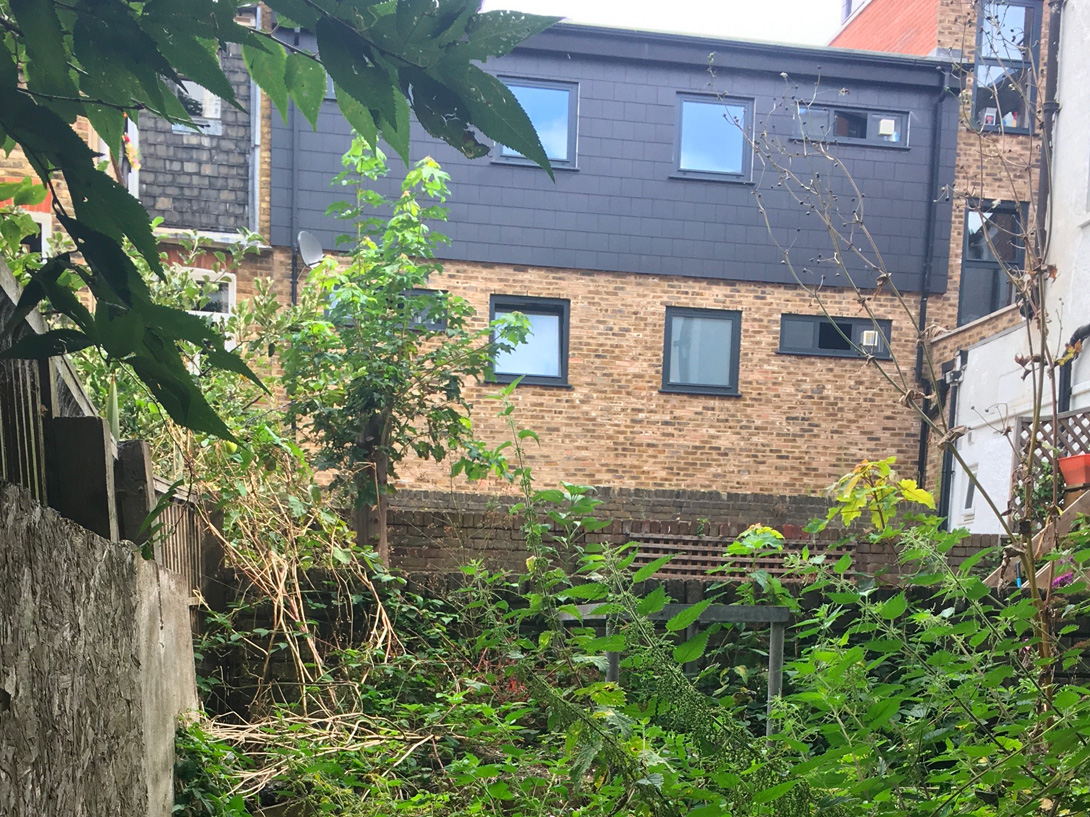
Lustre Consulting was appointed by a private property owner to undertake a Basement Impact Assessment (BIA) to support a planning application involving the construction of a basement below part of the existing residential property. The site is situated within the London Borough of Lambeth, whose Local Plan states that “an assessment of the scheme’s impact […]
Lustre Consulting was appointed by a private property owner to...
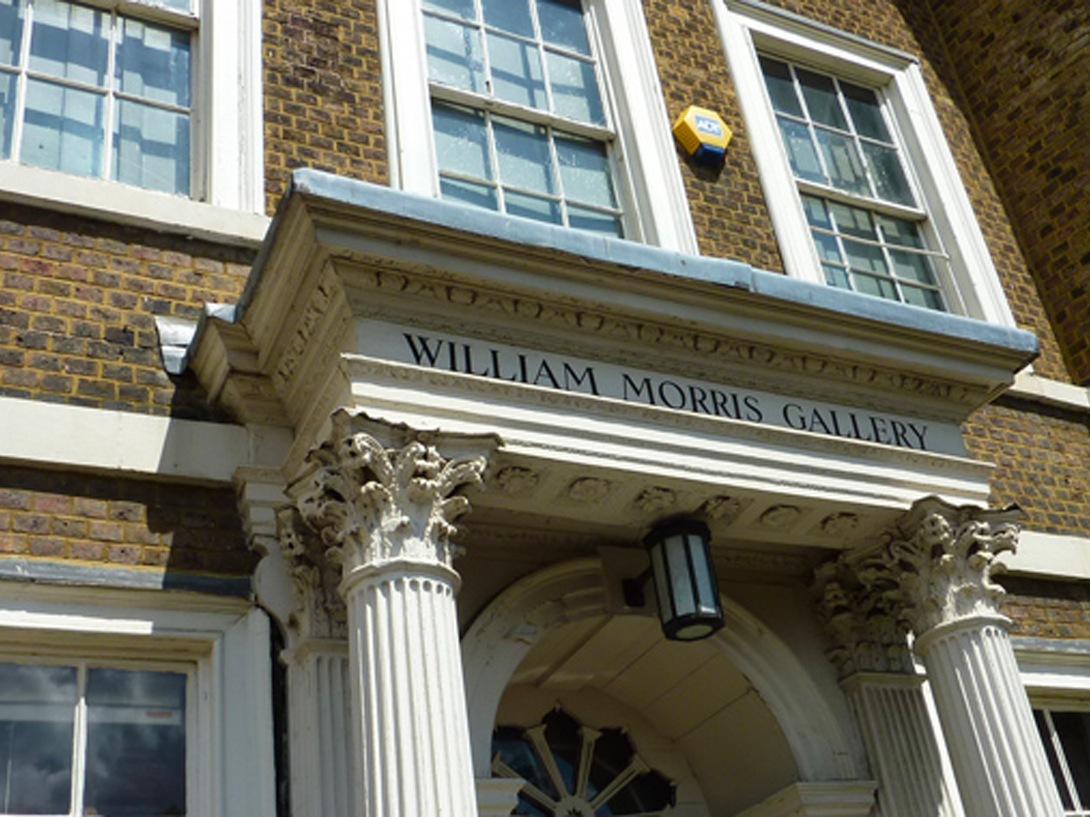
Lustre Consulting was appointed by Faithful + Gould & London Borough of Waltham Forest to undertake an architectural acoustic assessment to inform the design and detailing of the renovation and extension to the historic William Morris Gallery. The work included providing baseline information on the acoustic performance of the building following removal of the artefact’s […]
Lustre Consulting was appointed by Faithful + Gould &...
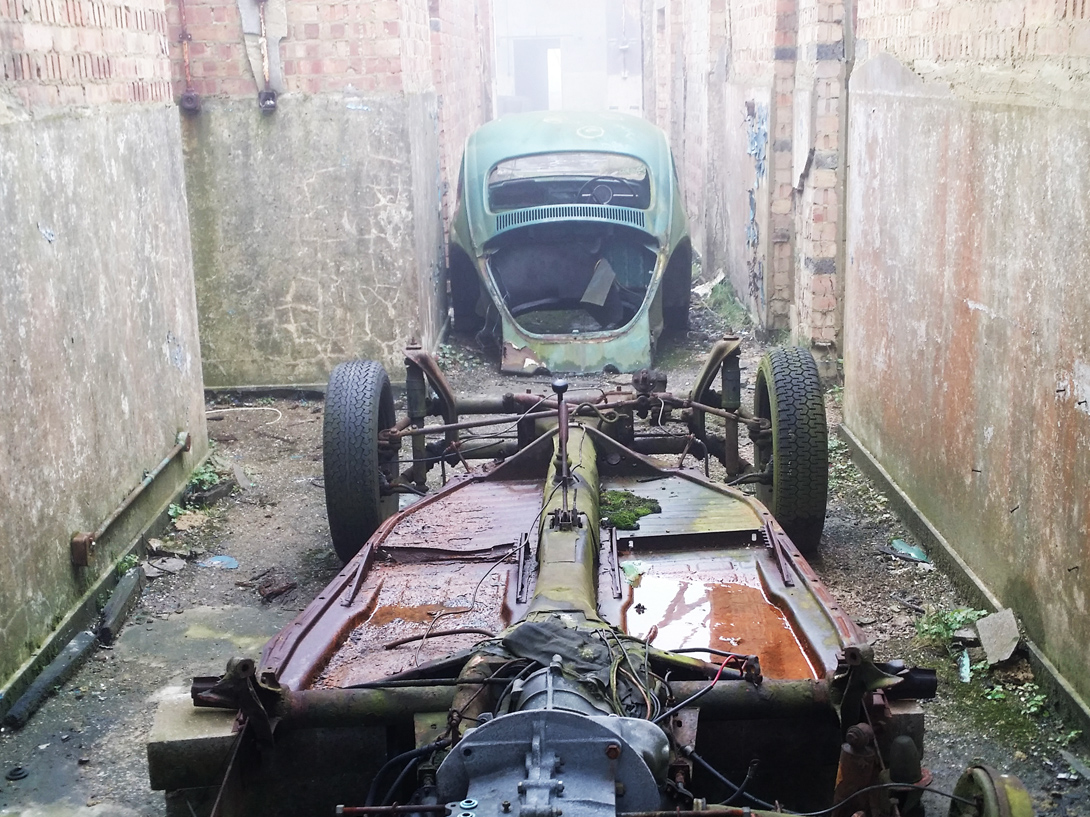
The client, who is a small developer, required a Phase1 Desk Study to firstly support a planning application, and then a Phase 2 Site Investigation to discharge planning conditions. The proposed development comprised clearance of the site and construction of five luxury dwellings with large private gardens. The Phase 1 Desk Study identified several buildings […]
The client, who is a small developer, required a Phase1 Desk...